November 6, 2026
Understanding when roof damage goes beyond what a simple repair can address is important for protecting a home. While isolated problems can often be resolved with targeted maintenance, widespread deterioration may require a complete roof replacement. Ignoring significant damage can lead to leaks, energy loss, mold growth, and structural problems. Knowing which warning signs to watch for helps homeowners make informed decisions. A professional evaluation by experienced roofing contractors can clarify whether repairs remain practical or replacement offers better long-term value.
Assessing Visible Roof Damage
Identifying Missing or Broken Shingles
Missing, cracked, or broken shingles are among the most noticeable signs of roof damage. High winds, heavy rainfall, and physical impacts can dislodge shingles, exposing the protective layers beneath them. When these materials are compromised, moisture can enter the roof system and contribute to wood rot, mold, and interior water damage.
Replacing a few damaged shingles may be sufficient when the problem is isolated. However, widespread shingle loss suggests more extensive deterioration. According to This Old House, you should consider replacing your roof if more than 30% of it is seriously damaged. Roofing contractors can inspect affected areas and determine whether localized repairs will provide adequate protection.
Recognizing Signs of Roof Sagging
A sagging roofline often indicates serious structural problems. Excessive snow weight, prolonged moisture exposure, and weakened support beams can contribute to dips or uneven areas. These conditions can interfere with drainage and place additional stress on the structure.
Because sagging can indicate compromised decking or roof supports, it requires prompt professional attention. Minor structural problems may be repairable, but widespread deterioration can make replacement necessary. Homeowners should not ignore visible changes in their roofline, as continued weakening can create safety concerns.
Detecting Water Stains and Mold Growth
Water stains on ceilings and walls frequently point to roof leaks. Damaged shingles, deteriorating flashing, and compromised vents can allow moisture to enter the home. Yellow or brown discoloration, peeling paint, and damp insulation may indicate that water has traveled beyond the original entry point.
Persistent moisture can encourage mold and mildew growth, particularly in poorly ventilated attic spaces. Musty odors and visible fungal growth are additional warning signs. Although a small leak may require only a targeted repair, recurring leaks across multiple areas can indicate widespread deterioration. Roofing contractors can identify the moisture source and determine whether the underlying materials remain suitable for use.
Evaluating Granule Loss and Shingle Wear
Asphalt shingles contain protective granules that shield them from ultraviolet radiation and weather exposure. Over time, these granules wear away, reducing the shingles' ability to protect the roof. Homeowners may notice bald patches or excessive granules collecting in their gutters.
Some granule loss is normal as roofing materials age, but widespread deterioration can signal that shingles are nearing the end of their useful life. Curling, cracking, and brittleness provide additional evidence of aging. When several warning signs appear together, replacement may be more practical than repeated repairs.
Evaluating Structural Roofing Components
Inspecting the Roof Decking
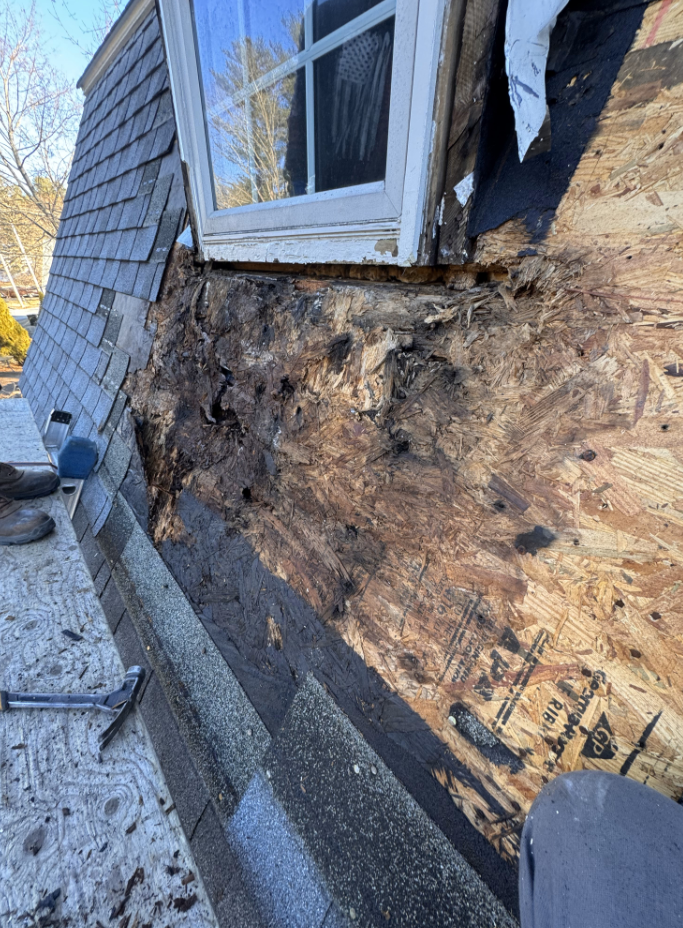
Roof decking provides the foundation for shingles and other exterior materials. Prolonged moisture exposure can weaken this surface, causing it to warp, soften, or deteriorate. Uneven roof areas and visible sagging may indicate compromised decking.
Replacing isolated damaged sections may restore the roof's stability. However, widespread decking deterioration can require more extensive work. Roofing contractors can examine the underlying structure and determine whether it can support new materials.
Examining the Underlayment
The underlayment creates a secondary moisture barrier between the roof decking and exterior materials. Usually made from felt or synthetic products, this layer helps prevent water from reaching the underlying structure when shingles become damaged.
Tearing, thinning, or deteriorating underlayment can leave the roof vulnerable to leaks. If the damage is limited, replacing the affected material may be enough. However, widespread underlayment problems, particularly on an aging roof, can make replacement a more reasonable investment.
Checking Flashing and Gutters
Flashing protects vulnerable roof intersections around chimneys, skylights, vents, and other openings. Cracked seals, corrosion, or displaced flashing can create entry points for water. Although these problems are often repairable, neglected flashing can allow moisture to spread beneath surrounding roofing materials.
Gutters protect the home by directing rainwater away from the structure. Clogged, sagging, or damaged gutters can cause water to collect near roof edges. Cleaning and repairing these systems can prevent additional damage, but recurring moisture problems should prompt a broader inspection.
Considering Roof Age and Material Condition
Roofing materials have different expected lifespans, and their condition depends on installation quality, maintenance, and weather exposure. Asphalt shingles commonly last around 20 to 30 years, although environmental conditions can shorten that period.
Older roofs may develop several problems simultaneously, including granule loss, cracking, leaks, and weakened protective layers. Even when individual issues appear repairable, repeated maintenance costs may outweigh the benefits. A professional assessment helps homeowners understand how much useful life remains and whether replacement is a better option.
Analyzing Weather-Related Roof Damage
Identifying Hail and Wind Damage
Hail can leave dents, remove protective granules, and weaken shingle surfaces. The damage may be scattered across the roof, making it difficult to evaluate from the ground. Strong winds can also lift shingles, break their seals, and expose underlying materials.
After severe weather, homeowners should arrange an inspection to identify visible and hidden problems. A few damaged shingles may be repairable, while widespread impact damage can justify replacement. Roofing contractors can document affected areas and recommend an appropriate scope of work.
Recognizing Snow and Ice Damage
Heavy snowfall places additional weight on roofing structures, particularly when accumulation remains for extended periods. Ice dams can form along roof edges, preventing melting snow from draining properly. Trapped water may then work beneath shingles and enter the home.
Proper attic insulation, ventilation, and drainage help reduce winter-related problems. However, recurring leaks, weakened decking, and structural damage may indicate that the roof needs more than routine maintenance.
Understanding Sun Exposure and Heavy Rainfall
Long-term exposure to ultraviolet radiation can make roofing materials brittle, increasing the likelihood of cracking and splitting. Heavy rainfall can expose weaknesses in shingles, flashing, and drainage systems. Persistent humidity may also encourage moisture accumulation and mold growth.
Although individual weather-related problems are not always reasons for replacement, their cumulative effects can shorten a roof's lifespan. Homeowners should consider the overall condition of the system rather than evaluating each damaged area separately.
Comparing Roof Repair and Replacement Costs
Estimating the Cost of Minor Repairs
Minor repairs typically involve replacing a few shingles, resealing flashing, or addressing a small leak. These projects generally require fewer materials and less labor than a complete replacement. When the roof is relatively young and the damage is isolated, repairs can provide a practical solution.
However, homeowners should consider whether the same problems are likely to return. Repeated repairs can become expensive when underlying materials are already deteriorating. Getting a detailed inspection and estimate helps establish whether additional maintenance makes financial sense.
Evaluating the Investment in Replacement
Replacing an entire roof involves a larger upfront expense, but it can address widespread deterioration and provide a fresh protective system. The total investment depends on roof size, material selection, structural repairs, and installation requirements.
When extensive damage affects multiple sections, replacement may offer better long-term value than patching individual areas. Roofing contractors can compare the estimated costs of both approaches and explain their advantages. Homeowners should also consider the roof's remaining lifespan and potential costs from continued water damage.
Considering Long-Term Protection
A decision about roof replacement should account for more than immediate repair expenses. A deteriorating roof can contribute to damaged insulation, interior finishes, and structural materials. Addressing these problems before they spread can help prevent additional property damage.
A professional evaluation provides the information needed to balance upfront expenses with the benefits of replacement.
Homeowners do not have to make this decision without professional guidance from experienced roofing contractors. Central Mass Roof Restorations can assess roofing conditions, identify areas of concern, and determine an appropriate path forward. Contact the team to schedule an inspection and learn whether repairs or replacement are the better choice for protecting your home.