November 12, 2026
Drip edges play an important role in protecting a roofing system by directing rainwater away from the roof deck and underlying fascia. When these metal components are improperly spaced or positioned, water can seep behind gutters, damage wood trim, and contribute to premature deterioration.
Understanding how local roofers identify and correct drip edge spacing problems helps homeowners recognize the importance of proper installation. Addressing these issues promptly can also prevent moisture-related damage and preserve the performance of the entire roofing system.
Understanding the Purpose of Drip Edge Placement
A drip edge is a metal flashing component installed along the perimeter of a roof to guide water away from vulnerable roofing materials. It typically features an angled profile that extends beyond the roof edge, allowing rainwater to drain into the gutter system or away from the fascia. Without properly positioned drip edges, water can travel underneath shingles, collect along exposed wood, and eventually cause deterioration.
Fascia boards are the horizontal trim components attached to the ends of roof rafters. They provide a finished appearance while supporting gutter systems and protecting the roof's exposed edges. Because these boards are positioned directly beneath the roofline, they are particularly vulnerable to moisture when drip edge installation is inadequate.
Proper spacing helps ensure that the drip edge performs its intended function without leaving openings that allow water to reach the underlying structure. Local roofers assess the interaction among the roof decking, fascia, shingles, and gutters to determine whether the existing installation provides adequate protection.
Identifying Common Drip Edge Spacing Problems
Improper drip edge spacing can develop during initial roof installation or after years of exposure to changing weather conditions. Shifting materials, deteriorating fascia boards, and previous installation mistakes can all contribute to gaps along the roof perimeter.
Some common problems include:
- Excessive Gaps: When the drip edge is set too far from the fascia, water can enter the exposed space and reach the underlying wood.
- Insufficient Overhang: A drip edge that does not extend far enough beyond the roof edge may allow water to run backward along the fascia.
- Uneven Alignment: Sections installed at inconsistent heights can create irregular drainage patterns and leave certain areas more vulnerable to moisture.
- Loose Fasteners: Improperly secured metal flashing can shift during high winds, creating openings between adjoining roofing components.
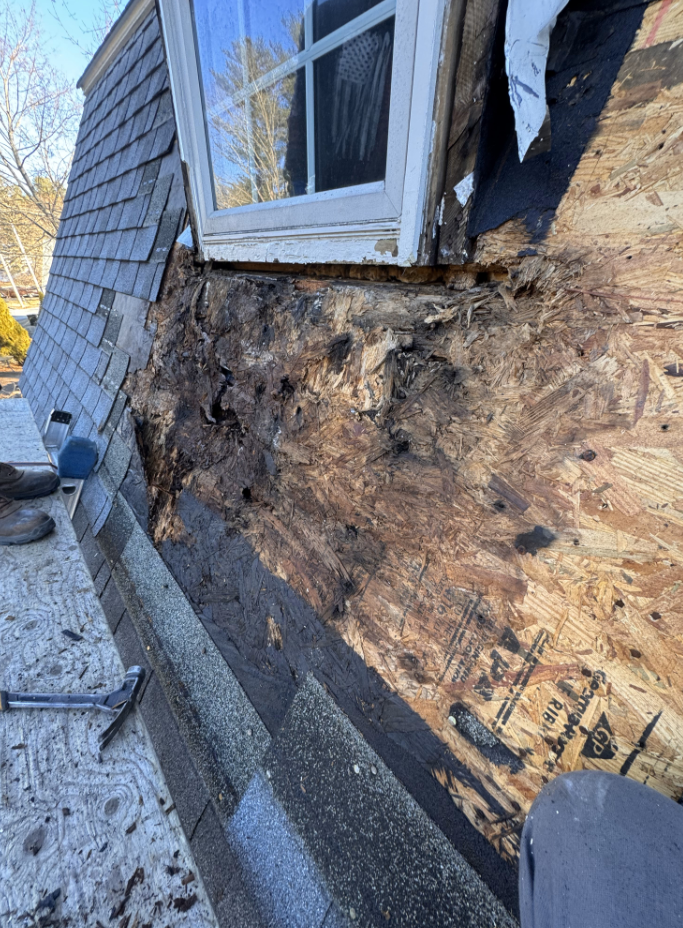
- Damaged Fascia: Rotting, warped, or deteriorated fascia boards can prevent the drip edge from remaining consistently positioned.
Local roofers inspect these areas to determine whether the problem involves the flashing itself, the supporting wood, or the surrounding roofing materials. Identifying the underlying cause is essential because simply repositioning loose metal will not resolve damage caused by deteriorating fascia.
Measuring the Distance Between Roofing Components
Accurate measurements help roofing professionals determine whether drip edge components are positioned correctly. Rather than relying on visual estimates, contractors examine the roofline and compare the existing installation with applicable building requirements and manufacturer specifications.
The inspection typically considers several measurements, including the distance between the roof decking and fascia, the amount of metal extending beyond the roof edge, and the positioning of the drip edge relative to the gutter opening.
The goal is to establish a consistent installation that allows water to move away from the roof structure without becoming trapped behind the flashing. However, there is no single spacing measurement that applies to every roofing system. The appropriate positioning depends on the roof's construction, flashing profile, gutter configuration, and applicable installation requirements.
Contractors also check whether the fascia follows a straight line. Warped or uneven boards can make properly aligned flashing appear incorrectly positioned. Identifying these irregularities before making adjustments helps prevent additional installation problems.
Correcting Improperly Positioned Drip Edges
Once the inspection identifies spacing problems, roofing professionals determine which components need adjustment or replacement. The appropriate correction depends on the severity of the issue and the condition of the surrounding materials.
For relatively minor problems, contractors may be able to reposition existing drip edge sections and secure them with appropriate roofing fasteners. They also check the connections between adjoining pieces to ensure that overlapping sections direct water toward the exterior rather than allowing moisture to accumulate beneath the flashing.
More extensive problems may require removing portions of the existing roofing materials to access the underlying roof edge. If the fascia has deteriorated, damaged wood must be addressed before installing replacement flashing. Otherwise, the new components may not remain securely positioned.
Local roofers also examine the condition of nearby shingles and underlayment during these repairs. The drip edge must integrate properly with the surrounding roofing layers to provide dependable moisture protection. Simply covering a visible gap without correcting the underlying installation can leave the roof vulnerable to continued water intrusion.
Aligning Drip Edges With Gutters and Fascia
Drip edge positioning must account for the gutter system because these components work together to manage roof runoff. When flashing directs water behind the gutter, moisture can accumulate along the fascia and potentially enter the surrounding structure. Local roofers evaluate these connections to ensure that water flows away from vulnerable roofing materials.
Roofing professionals examine the relationship between the drip edge and gutter opening to establish an effective drainage path. The metal should extend far enough to guide water into the gutter without interfering with the gutter's attachment or normal operation.
They also evaluate whether the gutters are positioned correctly beneath the roofline. Sagging sections, loose hangers, and improper slopes can contribute to drainage problems that may initially appear to be due to drip edge spacing. Local roofers can identify these issues and determine whether adjustments or additional repairs are necessary.
According to Today's Homeowner, the average national cost of installing an asphalt roof ranges from $4,500 to $24,000, though the final cost depends largely on the home's size and the type of shingles selected. This illustrates why maintaining existing roofing components and addressing localized problems can be important considerations when evaluating long-term property maintenance.
Preventing Future Drip Edge Spacing Problems
After correcting improper spacing, homeowners can take several steps to help preserve the condition of their roof edges. Routine maintenance allows potential problems to be identified before moisture exposure causes more extensive deterioration.
Important maintenance considerations include:
- Inspecting Roof Edges: Periodically examine visible sections of the roofline for loose flashing, unusual gaps, or signs of water damage.
- Maintaining Gutters: Keep gutters clear of leaves and other debris so rainwater can drain away from the roof without overflowing.
- Addressing Storm Damage: Arrange professional inspections after severe weather that may have loosened flashing or damaged exposed roofing components.
- Monitoring Fascia Boards: Look for peeling paint, discoloration, soft wood, or other indications of moisture exposure.
- Scheduling Professional Maintenance: Have roofing professionals evaluate the condition of flashing, shingles, and other vulnerable roof components when concerns arise.
Local roofers can also identify developing problems that may not be visible from the ground. Regular attention to roof edges helps maintain consistent drainage and reduces the likelihood of recurring moisture damage.
Protecting Roof Edges With Professional Repairs
Correct drip edge spacing is essential for directing water away from fascia boards and protecting the underlying roof structure. Improper positioning can create opportunities for moisture intrusion, wood deterioration, and damage to nearby roofing components. Professional inspections and timely adjustments help ensure that flashing, shingles, and gutters work together as intended. Experienced local roofers can identify spacing problems and recommend appropriate repairs to maintain reliable drainage and protect vulnerable roof edges.
When homeowners notice loose metal, visible gaps, or signs of water damage along their roofline, professional attention can help prevent more extensive problems. Central Mass Roof Restorations provides residential roofing, roof repair, preventive maintenance, and gutter services throughout Oxford, Worcester, and surrounding Massachusetts communities. Contact Central Mass Roof Restorations today to schedule an estimate and protect your roof with dependable exterior solutions.