November 24, 2026
An aging roof doesn’t always need to be replaced immediately. Some systems can continue protecting a home for years with timely repairs and routine maintenance, while others develop problems that make a full replacement the more dependable option. The decision depends on more than the roof’s age. Its materials, installation quality, maintenance history, ventilation, and exposure to New England weather all influence how well it performs.
For homeowners in Oxford, Worcester, and surrounding Massachusetts communities, recognizing when a roof needs replacement can help prevent unexpected damage and costly disruptions. An aging roof may show signs of deterioration long before leaks appear, making regular professional inspections valuable.
Experienced roofers evaluate the entire roofing system, including shingles, flashing, ventilation, and underlying materials, to identify widespread wear or developing concerns. They can also determine whether targeted repairs will provide reliable protection or whether replacement is the more practical long-term solution. Addressing these issues early gives property owners more time to compare options and plan their roofing projects confidently.
Recognizing the Limits of Roof Age
Age is a useful starting point, but it shouldn’t be the only factor in a replacement decision. Asphalt shingles, metal panels, slate, and low-slope membrane systems have different expected service lives. Even roofs made from the same material can age differently depending on installation, attic ventilation, sun exposure, tree coverage, and maintenance.
A roof approaching the end of its expected lifespan deserves a closer inspection, particularly if repairs have become more frequent. That doesn’t automatically mean replacement is necessary. However, when an older system shows widespread deterioration, roofers may recommend replacing it before failures affect the underlying structure or interior finishes.
According to the National Association of Insurance Commissioners (NAIC), nearly half of homes in the Northeast had roofs aged 10 to 30 years, while 18% had roofing systems that were 31 years old or older.
Identifying Widespread Shingle Deterioration
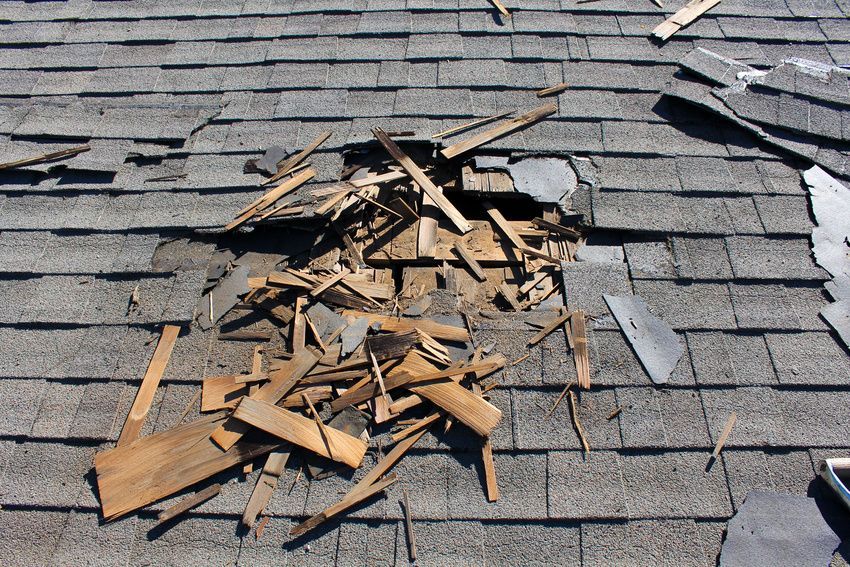
For homes with asphalt shingles, visible wear can help indicate whether a roof is nearing the end of its useful life. Missing, cracked, curling, or badly lifted shingles can leave sections of the roof more vulnerable to moisture. Granule loss is another concern. When protective granules collect in gutters or appear around downspouts, the shingles may be losing some of their ability to withstand sun and weather exposure.
A few damaged shingles may be repairable, depending on the roof’s overall condition. Widespread deterioration is different; if several slopes show similar wear, patching individual sections may not provide lasting protection.
During an inspection, roofers look at how extensive the damage is and whether the surrounding materials remain sound. They can explain whether targeted repairs are reasonable or whether replacement would offer more consistent protection across the entire roof.
Evaluating Recurring Leaks and Moisture Damage
One isolated leak doesn’t necessarily mean the roof needs replacement. Deteriorated or displaced flashing around chimneys, vents, skylights, and roof intersections may be corrected without replacing the entire system.
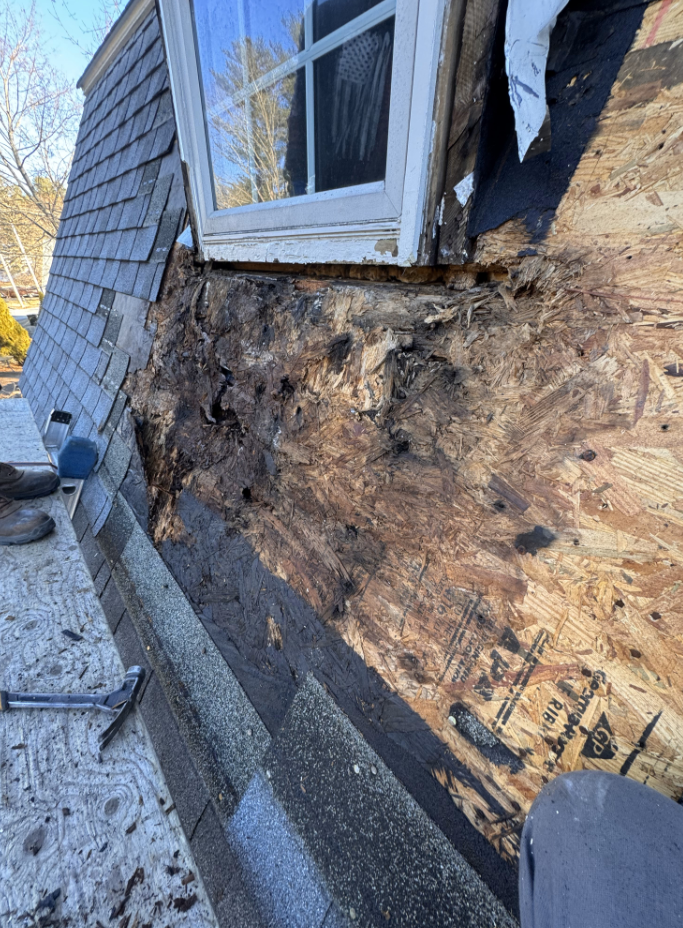
Repeated leaks, however, can point to broader problems. Water stains on ceilings, damp insulation, peeling paint, or musty odors in upper rooms may indicate that moisture has entered the building. Sometimes the visible stain appears far from the point where water enters, making a professional assessment important.
If leaks continue after previous repairs, or moisture has affected multiple areas, roofers may find that the roofing materials or underlying components have deteriorated beyond practical repair. Replacement can address the broader condition rather than repeatedly treating symptoms. A thorough assessment should also identify any damaged decking or other underlying materials that need attention as part of the project.
Assessing Sagging and Structural Concerns
A roofline should generally appear straight and consistent. Dips, sagging areas, or uneven sections may indicate moisture exposure, weakened decking, compromised framing, or excessive loads. Snow can add stress during Massachusetts winters, especially when drainage is poor.
When discussing these concerns, roofers should explain what they observed, which components are affected, and whether additional evaluation is needed. Clear documentation and photographs can help homeowners understand the condition of the roof and make an informed decision.
Comparing Repair Needs With Replacement Value
The cost of one repair rarely tells the whole story. Homeowners should consider the roof’s overall condition, previous repairs, the likelihood of additional problems, and the expected performance of existing materials. Frequent repairs in several locations may eventually outweigh the value of continued patching.
Replacement provides a more predictable path forward. The contractor can address worn materials, inspect the decking, and install compatible components as part of one coordinated project, with access to current materials and applicable warranties.
Replacement isn’t automatically the better financial choice. If the roof is sound and the problem is limited, repair may be sensible. Professionals should explain the advantages and limitations of each approach so homeowners can make an informed decision.
Considering Massachusetts Weather Exposure
Roofs in Oxford, Worcester, and nearby communities face freezing temperatures, snow, ice, heavy rain, strong winds, and intense sun. Fall leaves and debris can also collect around roof edges and interfere with drainage.
Seasonal conditions can expose weaknesses in older systems. Wind may loosen brittle shingles, moisture can worsen deteriorated flashing, and ice can reveal drainage problems. A roof that has performed adequately in mild conditions may struggle when exposed to more demanding weather.
Replacement timing should account for the roof’s condition and local forecast. If an inspection identifies active leaks or serious deterioration, delaying work could increase the risk of interior damage. Planning ahead gives homeowners time to review materials and schedule less urgent projects.
Reviewing Materials and Installation Conditions
Replacement is an opportunity to consider which system best suits the building. Asphalt shingles are common on homes, while metal and low-slope membrane systems may suit other roof designs and performance needs.
Choosing a roofing system involves more than comparing materials. The roof’s design, slope, local weather, building use, and the owner’s priorities all influence which option is appropriate. Proper ventilation and drainage are equally important because unresolved issues can reduce a new roof’s performance and service life.
Experienced roofers can explain which materials suit the property and identify details that should be addressed during installation. Homeowners should review removal procedures, underlayment, flashing, ventilation, and warranty coverage.
A detailed written estimate outlines the project’s scope, helps set expectations, and makes it easier to understand what the replacement will include before work begins.
Waiting until water enters living spaces can make a project more stressful. An early inspection gives homeowners time to review options, plan around household or business needs, and schedule replacement before conditions worsen.
A professional assessment should cover the roof’s visible condition and relevant underlying components. It should also distinguish between immediate concerns and normal wear. Roofers can use photographs and a clear written explanation to show why they recommend repair, maintenance, or replacement. This information is especially valuable when a property has experienced storm damage or when an insurance claim may be involved.
A new roof is a significant investment, but timely replacement can help protect the structure, interior finishes, and belongings. The goal isn’t to replace a roof simply because of its age; it’s to choose a solution that matches its condition.
For property owners in Oxford and Worcester, MA, Central Mass Roof Restorations provides roofing services, including replacement and repair options, to help address aging systems and weather-related concerns. If your roof is showing repeated signs of wear, schedule a professional assessment with Central Mass Roof Restorations to understand your options and plan the next step with confidence.